Category
Weight-Limit Guides
Weight-Limit Guides picks with verified weight ratings, scored on five criteria from published specs, warranty terms and owner reports.
-
Can You Bring Your Own Seat Belt Extender on a Plane? No, and Here Is the Actual Rule
FAA guidance says passenger-owned extenders should not be used in flight; airlines provide certified ones free. The rule, the reason, and how to ask.
-
Do Toilets Have Weight Limits? Yes, and the Seat Is the Real One
Floor-mounted bowls withstand about 1,000 lb and wall-hung toilets are certified to 500 lb, but the seat is tested at 300 lb, and it fails first.
-
Can You Trust Weight Capacity Ratings? How to Tell a Tested Number From a Marketing One
Some capacity ratings are engineering; some are copywriting. Five signals that separate them: standards, spec sheets, warranties, construction, owner reports.
-
How Furniture Weight Limits Are Actually Tested (and Why 253 lb Is the Magic Number)
Most office chairs are certified to a standard built around a 253 lb user. What BIFMA testing measures, what X5.11 changes, and how to read a capacity claim.
-
How Much Weight Can an Office Chair Hold?
Standard office chairs are built to a 253 to 275 lb test basis; big and tall chairs run 400 to 500 lb. The real capacities by chair class, and what they mean.
-
Per-Seat vs Total Weight Capacity: The Sofa Spec Everyone Misreads
A 900 lb sofa rating rarely means 900 lb in one seat. How to read capacity specs on sofas, sectionals, benches, porch swings, and bunk beds before buying.
-
Static vs Dynamic Load: Why a 300 lb Chair Can Fail Under a 220 lb Person
A weight rating describes a still load, and sitting down is not one. How dynamic force and fatigue shrink a rating in real use, and how much headroom to buy.
-
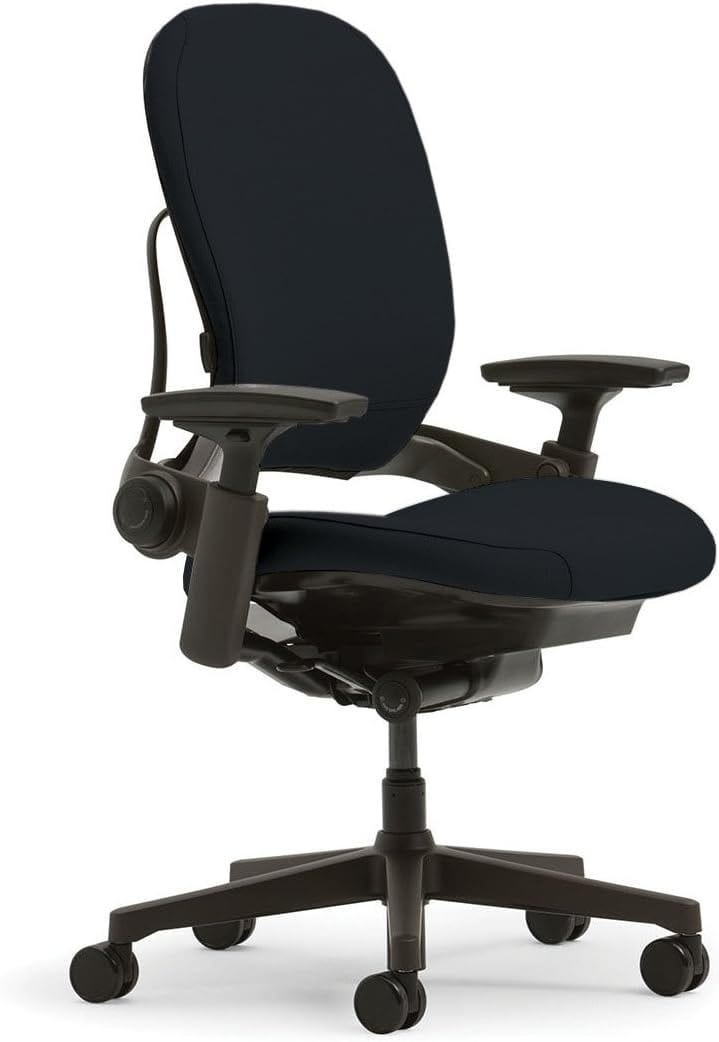
What Actually Happens When You Exceed a Weight Limit
Furniture over its limit rarely fails all at once. The real failure sequence, the warning signs worth acting on, and what overloading does to your warranty.